Reviewing the Boat Girl T-Shirt Design for Embroidery
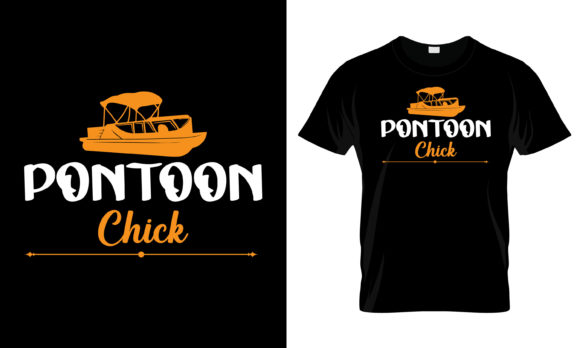
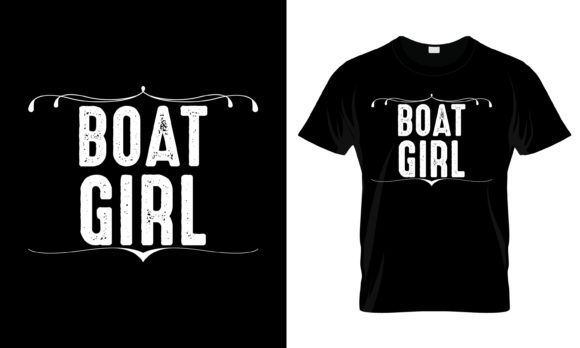
As a designer who spends half my life staring at digitized paths and the other half pulling threads out of bobbins, I have learned to look past the glossy preview images. When I evaluate a new asset like the Boat Girl T-Shirt design, I am not just looking at aesthetics. I am visualizing how it behaves under the needle. This particular graphic, marketed within the realm of Print Templates and Graphics, presents an interesting case study for those of us bridging the gap between digital files and tangible, stitched products.
The initial impression of this design is one of relaxed, lakeside nostalgia. It captures that specific vibe of pontooning culture—slow mornings, calm water, and family gatherings. For an embroidery professional, the mood is crucial because it dictates the fabric choice. You cannot stitch a laid-back, humorous boating motif onto stiff, formal wool. This design begs for soft cotton, fleece, or canvas. It feels inherently casual, which makes it a strong candidate for custom apparel aimed at grandparents, dads, or anyone who identifies as the captain of their own leisure time.
Translating Digital Graphics to Stitch Reality
One of the first things I notice with files labeled as Print Templates is the need for adaptation. The Boat Girl T-Shirt comes with SVG, EPS, and high-resolution PNG files. While these are excellent for screen printing or heat transfer vinyl, using them for machine embroidery requires a critical eye. If you are an Etsy seller or a small shop owner, you likely already have your preferred digitizing software. The challenge here is taking the visual personality of the original graphic and ensuring it translates into a functional embroidery file.
In a real-world scenario, imagine a client requesting a custom embroidered sweatshirt for a lakehouse reunion. They want something funny but classy. This design fits the bill perfectly. However, because the source material is a graphic intended for print, you must pay close attention to detail level. Print can handle tiny gradients and hairline strokes; embroidery cannot. When preparing this for a hoop, I would immediately simplify any intricate elements. Tiny lettering or complex shading in the original PNG should be converted into solid fill stitches or satin stitches to ensure clarity. If the design relies on subtle color shifts, consider switching to an applique design approach, where fabric pieces create the shape, reducing stitch count and bulk.
Fabric Selection and Hoop Considerations
The success of any embroidery project hinges on the relationship between the design and the fabric texture. For the Boat Girl T-Shirt motif, I recommend testing on medium-weight cotton or poly-cotton blends. These fabrics provide enough stability for the stitches to sit flat without puckering. If you are working with stretchy fabric, such as a performance polo or a thin baby onesie, a cut-away stabilizer is non-negotiable. The design’s visual weight suggests it might have some density, so proper stabilization prevents the garment from distorting after washing.
Hoop size is another practical constraint. While the digital file is large, your physical hoop limits the scale. If you are stitching this on a cap, you are working with a curved surface and a small area. In this context, you might need to crop the design or focus on the central iconography, leaving out peripheral text. For tote bags or pillow covers, you have more freedom. A larger hoop allows you to preserve the full layout, maintaining the balance between the text and the graphical elements. Always check the aspect ratio when resizing to ensure the "boat girl" character does not look stretched or compressed.
Thread Colors and Visual Appeal
Color choice can make or break the perceived value of a handmade product. Since this design evokes a nautical theme, traditional blues, whites, and navy tones are safe bets. However, do not be afraid to experiment. A vibrant coral or sunny yellow could modernize the look, making it appealing for summer boutique branding. When selecting thread colors, consider the contrast against the fabric. On dark navy shirts, light threads will pop, but you must ensure the stitch density is high enough to cover the background fabric completely. On light heather gray sweatshirts, darker threads provide definition, but watch for shadowing if the stitch density is too low.
For those creating personalized gifts, such as holiday embroidery for grandpas or dads, the emotional connection is key. The humor in the design adds a layer of warmth. It is not just a logo; it is an inside joke. This increases buyer engagement and trust. Customers are more likely to purchase a finished product that feels personal and thoughtful. As a craft business owner, highlighting this emotional angle in your product descriptions can significantly boost sales.
Practical Notes for Commercial Use
Before launching this design in your small shop product line, there are several technical checks to perform. First, verify the licensing terms. Just because you have the SVG and PNG files does not automatically grant you the right to sell embroidered items commercially. Always confirm whether the creator allows commercial use of the digitized version. If the license is unclear, reach out to the seller. Protecting your business from copyright issues is as important as the stitching itself.
Second, run test stitches on scrap fabric. Do not skip this step. Check for thread breaks, especially in tight corners or dense fill areas. If the design has small details, ensure they are legible after stitching. Sometimes, what looks sharp on a screen becomes a muddy blob of thread on fabric. Adjusting the stitch density or changing from a fill stitch to a running stitch outline can solve these issues. Also, test the design in black and white mockups to see if the contrast holds up without color reliance. This ensures the design remains recognizable even if a customer chooses a monochrome thread palette.
Finally, consider the end user. Will this item be washed frequently? Boat and lake gear often gets dirty. Ensure your stitch-out is durable. Use high-quality polyester thread, which resists fading and abrasion better than rayon. Secure all jump stitches properly to prevent unraveling. A well-executed Boat Girl T-Shirt embroidery piece should last as long as the memories made on the water.
Final Verdict for Makers and Designers
The Boat Girl T-Shirt design offers a charming, versatile foundation for various embroidery projects. Whether you are creating an embroidered patch for a club, a tote bag design for a beach rental, or a cute baby embroidery piece for a newborn’s first summer, the core concept is strong. It requires thoughtful adaptation from its print-ready origins to a stitch-friendly format, but the effort pays off in the form of a unique, high-quality handmade product. For Etsy sellers and creative entrepreneurs, this type of relatable, niche-specific imagery is exactly what stands out in a crowded marketplace. Treat it with the technical respect it deserves, and it will become a reliable asset in your design library.